How to Stop Pollen Allergies Fast: Effective Ways to Get Quick Relief Naturally
July 17, 2026
Signs and Solutions for Sleep Disorders
July 27, 2026
Seasonal allergies are one of the most common health problems around the world. Millions of people experience sneezing, itchy eyes, runny noses, and congestion every year when pollen levels increase. While many people rely on over-the-counter medications, others prefer natural methods that support the body’s immune system and help reduce allergy symptoms without causing drowsiness or other side effects.
If you are searching for the best treatment for seasonal allergies naturally, there are many safe lifestyle changes and home remedies that may help. Although natural treatments may not completely eliminate allergies, they can reduce symptoms and improve your quality of life when used consistently.
In this guide, you’ll learn what seasonal allergies are, what causes them, the most effective natural treatments, foods that support your immune system, and simple daily habits to reduce allergy symptoms.
What Are Seasonal Allergies?
Seasonal allergies, also called hay fever or allergic rhinitis, happen when your immune system reacts to harmless substances such as pollen from trees, grass, or weeds. Your body treats these particles as harmful invaders and releases chemicals like histamine, causing allergy symptoms.
Common allergy seasons include:
- Spring (tree pollen)
- Summer (grass pollen)
- Fall (weed pollen, especially ragweed)
Some people may also experience mold allergies during wet weather.
Common Symptoms of Seasonal Allergies
Symptoms can range from mild to severe and often include:
- Frequent sneezing
- Runny or stuffy nose
- Itchy nose
- Itchy throat
- Watery or itchy eyes
- Red eyes
- Sinus pressure
- Headaches
- Fatigue
- Postnasal drip
- Mild coughing
Symptoms usually appear shortly after exposure to pollen or other allergens.
What Causes Seasonal Allergies?
Your immune system mistakenly identifies pollen as dangerous. In response, it releases histamine and other chemicals that create inflammation throughout your nose, eyes, and airways.
Common allergy triggers include:
- Tree pollen
- Grass pollen
- Weed pollen
- Mold spores
- Dust
- Pet dander (for some people)
Weather also affects pollen counts. Windy, dry days usually have higher pollen levels than rainy days.
Best Natural Treatments for Seasonal Allergies
1. Saline Nasal Rinse
A saline rinse is one of the simplest natural remedies.
It helps:
- Remove pollen
- Wash away mucus
- Reduce nasal irritation
- Improve breathing
Use sterile or distilled water with a clean nasal rinse bottle or neti pot.
2. Stay Hydrated
Drinking enough water helps thin mucus and keeps your nasal passages moist.
Aim for:
- 8–10 glasses of water daily
- Herbal teas
- Warm lemon water
- Clear soups
Proper hydration can reduce congestion naturally.
3. Local Honey (Limited Evidence)
Some people believe consuming small amounts of local honey helps the body gradually adapt to local pollen.
Although scientific evidence is mixed, many people report mild improvements.
Use honey only if you are not allergic to bee products.
4. Steam Inhalation
Warm steam can temporarily relieve:
- Blocked nose
- Sinus pressure
- Dry nasal passages
Simply inhale steam from a bowl of warm water or take a warm shower.
Avoid extremely hot steam to prevent burns.
5. Increase Vitamin C Intake
Vitamin C acts as a natural antioxidant and may help reduce histamine levels.
Foods rich in Vitamin C include:
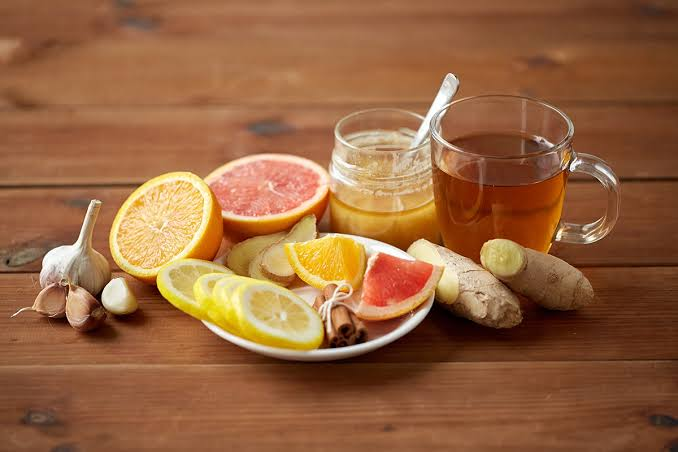
- Oranges
- Lemons
- Kiwi
- Strawberries
- Bell peppers
- Broccoli
Eating these foods regularly supports immune health.
6. Eat Anti-Inflammatory Foods
Chronic inflammation may worsen allergy symptoms.
Natural anti-inflammatory foods include:
- Turmeric
- Ginger
- Garlic
- Spinach
- Blueberries
- Tomatoes
- Walnuts
Adding these foods to your meals may help your body respond better during allergy season.
7. Try Probiotic Foods
A healthy gut supports a healthy immune system.
Foods containing probiotics include:
- Yogurt
- Kefir
- Kimchi
- Sauerkraut
- Fermented vegetables
Some studies suggest probiotics may help balance immune responses.
8. Reduce Indoor Pollen Exposure
Keeping pollen out of your home is one of the best natural prevention strategies.
Helpful habits include:
- Keep windows closed during high pollen days.
- Shower after spending time outdoors.
- Change clothes after outdoor activities.
- Wash bedding weekly.
- Vacuum regularly using a HEPA filter if available.
9. Wear Sunglasses Outdoors
Large sunglasses protect your eyes from airborne pollen.
This simple habit may reduce:
- Eye itching
- Watering
- Redness
10. Monitor Daily Pollen Levels
Check pollen forecasts before planning outdoor activities.
When pollen is high:
- Stay indoors during early morning hours.
- Exercise indoors.
- Keep car windows closed.
Planning ahead helps reduce allergen exposure.
Foods That May Help Fight Seasonal Allergies
Eating a balanced diet supports overall health and may reduce inflammation.
Helpful foods include:
- Citrus fruits
- Apples
- Leafy greens
- Fatty fish (salmon, sardines)
- Green tea
- Turmeric
- Ginger
- Garlic
- Pumpkin seeds
- Almonds
These foods provide antioxidants, vitamins, and healthy fats that support your immune system.
Foods to Limit During Allergy Season
Some foods may worsen symptoms in certain people, especially those with oral allergy syndrome.
Examples include:
- Alcohol
- Highly processed foods
- Sugary snacks
- Artificial sweeteners
- Excess fried foods
Some individuals may also react to certain raw fruits or vegetables due to cross-reactivity with pollen.
Lifestyle Tips to Reduce Seasonal Allergies Naturally
Small daily habits can make a big difference:
- Sleep 7–9 hours each night.
- Exercise regularly.
- Manage stress with meditation or deep breathing.
- Wash your hands after being outdoors.
- Keep pets clean if they spend time outside.
- Dry laundry indoors during peak pollen season.
Consistency is key.
Natural Remedies That Need More Research
Some herbal products are marketed for allergy relief, but evidence is limited.
Examples include:
- Butterbur (may help some people but should only be used in purified forms due to safety concerns)
- Quercetin
- Stinging nettle
Talk to your healthcare provider before using supplements, especially if you are pregnant, breastfeeding, or taking medications.
When to See a Doctor
Natural treatments can help many people, but medical care is important if you experience:
- Difficulty breathing
- Wheezing
- Severe facial swelling
- Symptoms lasting for weeks despite treatment
- Frequent sinus infections
- High fever
These symptoms may require professional evaluation and treatment.
Can Seasonal Allergies Be Prevented?
While allergies cannot always be prevented, you can reduce flare-ups by:
- Avoiding pollen exposure
- Keeping your home clean
- Eating a healthy diet
- Staying hydrated
- Following daily preventive habits
- Monitoring pollen forecasts
Combining several natural strategies often works better than relying on just one.
Final Thoughts
Finding the best treatment for seasonal allergies naturally often involves a combination of healthy habits rather than a single remedy. Saline nasal rinses, staying hydrated, eating anti-inflammatory foods, reducing pollen exposure, and supporting your immune system with a balanced diet can all help ease symptoms.
Natural treatments are generally safe for many people and may reduce the need for medication, but they are not a cure. If your symptoms are severe, persistent, or interfere with your daily life, consult a healthcare professional for personalized advice.
Frequently Asked Questions (FAQs)
1. What is the best natural remedy for seasonal allergies?
A saline nasal rinse is one of the most effective natural remedies because it helps remove pollen and reduces nasal congestion. Combining it with hydration and limiting pollen exposure often provides the best results.
2. Can diet help reduce seasonal allergy symptoms?
Yes. A diet rich in fruits, vegetables, healthy fats, and anti-inflammatory foods may support your immune system and help manage allergy symptoms.
3. Does local honey cure seasonal allergies?
There is no strong scientific evidence that local honey cures seasonal allergies. Some people report mild symptom relief, but results vary from person to person.
4. Are natural allergy treatments safe for children?
Some natural approaches, such as staying hydrated, reducing pollen exposure, and using saline nasal sprays, may be suitable for children. Always consult a pediatrician before trying supplements or herbal remedies.
5. When should I seek medical care for seasonal allergies?
You should see a healthcare provider if you have severe symptoms, trouble breathing, persistent sinus infections, or if natural remedies and over-the-counter treatments do not provide enough relief.