
Dental Implants vs. Dentures: Which Option Is Right for You?
July 17, 2026
10 Heart-Healthy Habits to Improve Cardiovascular Wellness
July 17, 2026
Heart disease is one of the leading causes of death worldwide, but many cases can be prevented or successfully managed through early detection and healthy lifestyle choices. One of the biggest challenges is that heart disease often develops gradually, with warning signs that may be mild or mistaken for less serious conditions.
Recognizing the early symptoms of heart disease and seeking medical attention promptly can significantly improve treatment outcomes and reduce the risk of heart attack, stroke, and other life-threatening complications.
In this guide, you’ll learn about the common warning signs of heart disease, risk factors, diagnostic methods, treatment options, and practical steps you can take to protect your heart.
What Is Heart Disease?
Heart disease is a general term that refers to several conditions affecting the heart and blood vessels. These include:
- Coronary artery disease
- Heart failure
- Heart valve disease
- Arrhythmias (irregular heartbeat)
- Congenital heart defects
- Cardiomyopathy
Many heart conditions develop slowly over time, making regular health checkups especially important.
Why Early Detection Matters
Early diagnosis allows healthcare providers to:
- Begin treatment sooner
- Prevent heart attacks
- Reduce complications
- Improve quality of life
- Increase life expectancy
Never ignore unusual symptoms, especially if you have known risk factors.
1. Chest Pain or Discomfort
Chest pain is one of the most recognized warning signs of heart disease.
It may feel like:
- Pressure
- Tightness
- Burning
- Squeezing
- Heaviness
The discomfort may last for several minutes or come and go.
If chest pain is severe or accompanied by shortness of breath, seek emergency medical attention immediately.
2. Shortness of Breath
Difficulty breathing during physical activity—or even while resting—may indicate that your heart is not pumping blood effectively.
Shortness of breath should always be evaluated, particularly if it develops suddenly or worsens over time.
3. Pain That Spreads to Other Areas
Heart-related pain doesn’t always remain in the chest.
It may radiate to:
- Left arm
- Right arm
- Shoulders
- Neck
- Jaw
- Back
These symptoms are common during a heart attack and require immediate medical attention.
4. Unusual Fatigue
Persistent fatigue without a clear cause may be an early sign of heart disease, especially in women.
You may notice:
- Difficulty completing routine activities
- Feeling exhausted after mild physical effort
- Constant lack of energy
Fatigue lasting several days or weeks should be discussed with a healthcare provider.
5. Irregular Heartbeat
Occasional skipped beats are common, but persistent heart palpitations or an irregular heartbeat may indicate an arrhythmia.
Symptoms include:
- Racing heartbeat
- Fluttering sensation
- Slow heartbeat
- Dizziness
- Lightheadedness
Medical evaluation is important if these symptoms occur frequently.
6. Swelling in the Legs, Ankles, or Feet
Poor heart function can cause fluid buildup in the body.
Watch for swelling in:
- Feet
- Ankles
- Legs
- Abdomen
Swelling that develops suddenly or worsens over time should be assessed by a healthcare professional.
7. Dizziness or Fainting
Reduced blood flow from heart problems may lead to:
- Dizziness
- Lightheadedness
- Fainting
- Loss of balance
These symptoms should never be ignored.
8. Persistent Cough
A chronic cough that produces white or pink mucus may be associated with heart failure.
Although coughing has many causes, persistent symptoms combined with shortness of breath require medical attention.
9. Excessive Sweating
Cold sweats without physical activity or hot weather can be an early warning sign of a heart attack.
Emergency care is recommended if sweating occurs alongside chest pain or difficulty breathing.
10. Nausea and Indigestion
Some individuals, particularly women, experience:
- Nausea
- Indigestion
- Stomach discomfort
- Vomiting
These symptoms may occur during a heart attack and should not be dismissed if accompanied by other warning signs.
Common Risk Factors for Heart Disease
Several factors increase the likelihood of developing heart disease.
Lifestyle Risk Factors
- Smoking
- Physical inactivity
- Poor diet
- Excess alcohol consumption
- Chronic stress
- Obesity
Medical Risk Factors
- High blood pressure
- High cholesterol
- Diabetes
- Family history of heart disease
- Sleep apnea
Managing these conditions helps reduce your overall risk.
How Heart Disease Is Diagnosed
Healthcare providers may recommend:
- Physical examination
- Blood pressure measurement
- Blood tests
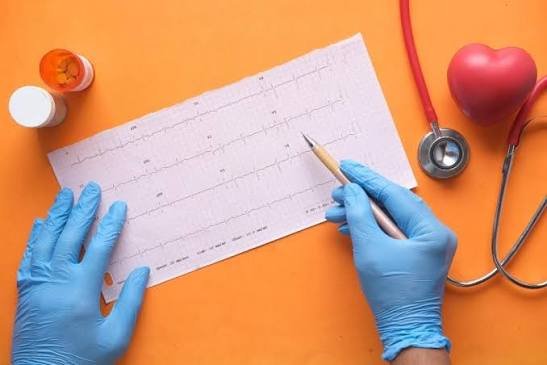
- Electrocardiogram (ECG)
- Echocardiogram
- Stress test
- Cardiac CT scan
- Coronary angiography
Early testing allows timely treatment.
Treatment Options
Treatment depends on the specific heart condition and its severity.
Common treatments include:
- Lifestyle changes
- Prescription medications
- Cholesterol-lowering drugs
- Blood pressure medications
- Cardiac rehabilitation
- Angioplasty and stent placement
- Heart surgery when necessary
Following your treatment plan is essential for long-term heart health.
Tips to Protect Your Heart
Healthy habits can greatly reduce your risk of heart disease.
Eat a Heart-Healthy Diet
Choose:
- Fruits
- Vegetables
- Whole grains
- Lean proteins
- Fish
- Healthy fats
Limit:
- Salt
- Sugar
- Saturated fats
- Processed foods
Stay Active
Aim for at least 150 minutes of moderate exercise each week.
Maintain a Healthy Weight
A healthy weight lowers the risk of heart disease, diabetes, and high blood pressure.
Avoid Smoking
Quitting smoking is one of the most effective ways to improve heart health.
Manage Stress
Practice relaxation techniques such as:
- Deep breathing
- Meditation
- Yoga
- Regular physical activity
Get Regular Checkups
Routine screenings help detect high blood pressure, high cholesterol, and diabetes before complications develop.
When Should You Seek Emergency Care?
Call emergency services immediately if you experience:
- Severe chest pain
- Difficulty breathing
- Pain spreading to the arm or jaw
- Sudden collapse
- Loss of consciousness
- Signs of a heart attack
Immediate treatment can save your life.
Frequently Asked Questions
Can heart disease develop without symptoms?
Yes. Some forms of heart disease progress silently until serious complications occur, making regular health screenings important.
Is chest pain always related to heart disease?
No. Chest pain has many possible causes, but it should always be evaluated by a healthcare professional, especially if severe or persistent.
Can lifestyle changes prevent heart disease?
Yes. A healthy diet, regular exercise, avoiding tobacco, maintaining a healthy weight, and managing chronic conditions can significantly reduce the risk.
How often should I have my heart checked?
Adults should have regular health checkups, especially if they have high blood pressure, diabetes, high cholesterol, or a family history of heart disease.
Conclusion
Heart disease often develops gradually, but recognizing its warning signs can lead to early diagnosis and life-saving treatment. Symptoms such as chest pain, shortness of breath, unusual fatigue, swelling, dizziness, and irregular heartbeat should never be ignored. By adopting healthy lifestyle habits, managing risk factors, and attending regular medical checkups, you can protect your heart and enjoy a longer, healthier life.