10 Early Signs of Kidney Stones You Should Never Ignore
July 17, 2026
When Should You Visit Urgent Care Instead of the Emergency Room?
July 17, 2026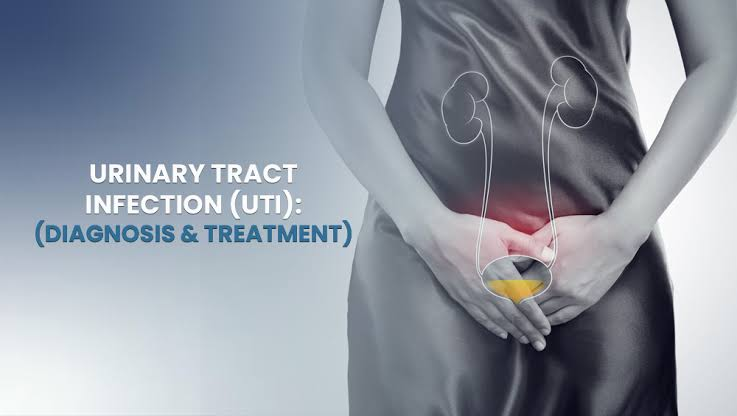
Urinary tract infections (UTIs) are among the most common bacterial infections, affecting millions of people every year. They can occur in any part of the urinary system, including the kidneys, bladder, ureters, and urethra. Although UTIs are more common in women, men and children can also develop these infections.
When diagnosed early, most urinary tract infections can be treated quickly with the right medication. However, delaying treatment may allow the infection to spread to the kidneys, leading to more serious health complications. Understanding the causes, symptoms, treatment options, and prevention strategies can help protect your urinary health.
What Is a Urinary Tract Infection (UTI)?
A urinary tract infection occurs when bacteria enter the urinary system and multiply. The majority of UTIs are caused by Escherichia coli (E. coli), a type of bacteria commonly found in the digestive tract.
The urinary system includes:
- Kidneys
- Ureters
- Bladder
- Urethra
Most infections affect the bladder and urethra, but severe cases can spread to the kidneys if left untreated.
Types of Urinary Tract Infections
Bladder Infection (Cystitis)
The most common type of UTI, affecting the bladder. It often causes painful urination and frequent urges to urinate.
Urethral Infection (Urethritis)
This infection affects the urethra, the tube that carries urine out of the body.
Kidney Infection (Pyelonephritis)
A serious infection that spreads to the kidneys and requires immediate medical treatment.
Common Causes of UTIs
Several factors increase the risk of developing urinary tract infections, including:
- Bacterial contamination
- Poor personal hygiene
- Holding urine for long periods
- Inadequate water intake
- Sexual activity
- Kidney stones
- Diabetes
- Enlarged prostate in men
- Pregnancy
- Weakened immune system
Symptoms of a UTI
Symptoms can vary depending on the location and severity of the infection.
Common Symptoms
- Burning sensation during urination
- Frequent urge to urinate
- Passing only small amounts of urine
- Cloudy urine
- Strong-smelling urine
- Blood in the urine
- Pelvic pain
- Lower abdominal discomfort
Symptoms of a Kidney Infection
If the infection spreads to the kidneys, symptoms may include:
- High fever
- Chills
- Severe back or side pain
- Nausea
- Vomiting
- Fatigue
Kidney infections should never be ignored and require urgent medical care.
Who Is at Higher Risk?
Certain individuals are more likely to develop UTIs.
Risk factors include:
- Women
- Older adults
- Pregnant women
- People with diabetes
- Individuals with kidney stones
- Patients using urinary catheters
- People with weakened immune systems
How UTIs Are Diagnosed
Healthcare providers use several methods to diagnose a urinary tract infection.
Medical History
Your doctor will ask about symptoms and previous infections.
Urine Test
A urine sample checks for bacteria, white blood cells, and blood.
Urine Culture
This identifies the specific bacteria causing the infection and helps determine the most effective antibiotic.
Imaging Tests
For recurrent or complicated infections, an ultrasound or CT scan may be recommended.
Treatment for Urinary Tract Infections
Treatment depends on the severity of the infection.
Antibiotics
Most UTIs are treated with prescription antibiotics that eliminate the bacteria causing the infection.
Pain Relief
Doctors may recommend medications to reduce discomfort while urinating.
Drink Plenty of Fluids
Staying hydrated helps flush bacteria from the urinary system.
Rest
Adequate rest supports the body’s recovery process.
Home Care Tips
While antibiotics are the primary treatment, these habits can support recovery:
- Drink plenty of water
- Avoid caffeine and alcohol
- Urinate regularly
- Wear breathable cotton underwear
- Practice good hygiene
- Complete the full course of prescribed medication
Can UTIs Be Prevented?
Many urinary tract infections can be prevented with simple lifestyle changes.
Stay Hydrated
Drink enough water throughout the day to help remove bacteria from the urinary tract.
Don’t Hold Your Urine
Empty your bladder regularly to reduce bacterial growth.
Practice Good Hygiene
Always clean from front to back after using the toilet to reduce the spread of bacteria.
Urinate After Sexual Activity
This helps flush bacteria from the urethra.
Wear Comfortable Clothing
Loose-fitting clothing and cotton underwear reduce moisture that encourages bacterial growth.
Possible Complications
Untreated urinary tract infections may lead to:
- Kidney infection
- Recurrent UTIs
- Kidney damage
- Bloodstream infection (rare but serious)
- Pregnancy complications
Prompt treatment greatly reduces these risks.
When Should You See a Doctor?
Seek medical attention if you experience:
- Burning urination lasting more than one day
- Blood in the urine
- Fever or chills
- Severe back pain
- Pregnancy with UTI symptoms
- Recurrent urinary tract infections
Early diagnosis leads to faster recovery and prevents complications.
Frequently Asked Questions
Can a UTI go away without antibiotics?
Some very mild infections may improve, but most bacterial UTIs require antibiotics. Delaying treatment can increase the risk of kidney infection.
Are UTIs contagious?
No. Urinary tract infections are not generally considered contagious.
Can men get UTIs?
Yes. Although less common than in women, men can develop UTIs, especially with age or prostate problems.
How long does it take to recover?
Most uncomplicated UTIs improve within two to three days after starting antibiotics, but the full course of medication should always be completed.
Conclusion
Urinary tract infections are common but highly treatable when diagnosed early. Symptoms such as burning during urination, frequent urges to urinate, cloudy urine, or pelvic discomfort should never be ignored. Prompt medical care, proper antibiotic treatment, and healthy daily habits can help you recover quickly and reduce the risk of future infections. By staying hydrated, practicing good hygiene, and seeking timely medical attention, you can maintain a healthy urinary system and prevent complications.