

Common Skin Conditions: Symptoms, Causes & Treatment Options
July 17, 2026
Stomach Pain After Eating: Causes, Symptoms, Treatment, and Prevention
July 17, 2026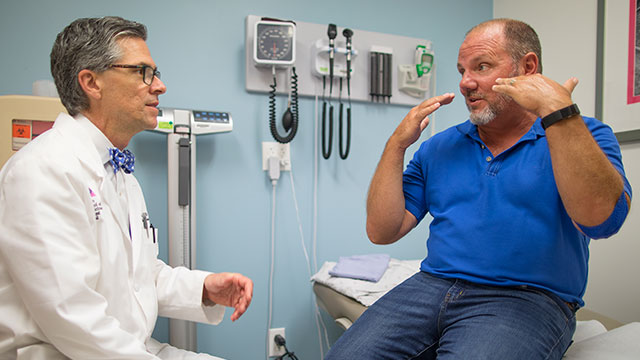
Introduction
Living with Crohn’s disease can be challenging. It is more than just a stomach problem. It is a long-term condition that affects the digestive system and can impact daily life, work, relationships, and emotional well-being. Many people experience symptoms for years before receiving the correct diagnosis. That is why finding a Crohn’s disease specialist is one of the most important steps toward better health.
A Crohn’s disease specialist understands the condition in detail and knows how to create a treatment plan that fits each patient’s needs. Whether someone has recently been diagnosed or has been living with Crohn’s disease for years, expert medical care can improve quality of life and help reduce painful flare-ups.
In this article, you will learn what a Crohn’s disease specialist does, when you should see one, how they diagnose and treat Crohn’s disease, and what to expect during treatment.
What Is Crohn’s Disease?
Crohn’s disease is a chronic inflammatory bowel disease (IBD). It causes inflammation in the digestive tract, which can occur anywhere from the mouth to the anus. However, it most commonly affects the small intestine and the beginning of the large intestine.
The disease often develops in cycles. There are periods when symptoms become severe, known as flare-ups, and times when symptoms improve, called remission.
Crohn’s disease does not currently have a cure, but the right treatment can help control symptoms and reduce complications.
Who Is a Crohn’s Disease Specialist?
A Crohn’s disease specialist is usually a gastroenterologist who has advanced knowledge and experience in treating inflammatory bowel diseases. These doctors focus on diseases affecting the stomach, intestines, liver, pancreas, and digestive system.
Some specialists receive additional training specifically in inflammatory bowel disease (IBD), making them experts in managing complex Crohn’s disease cases.
Their goal is not only to treat symptoms but also to prevent long-term damage to the digestive system.
Why Should You See a Crohn’s Disease Specialist?
While general doctors can diagnose many digestive problems, Crohn’s disease often requires specialized care.
A specialist can:
- Provide an accurate diagnosis.
- Create a personalized treatment plan.
- Monitor disease activity regularly.
- Prevent complications before they become serious.
- Recommend advanced medications.
- Coordinate care with surgeons, nutritionists, and other healthcare professionals.
Patients treated by specialists often receive the latest treatments and have better long-term disease management.
Common Symptoms of Crohn’s Disease
Symptoms vary from person to person. Some people experience mild discomfort, while others have severe digestive problems.
Common symptoms include:
- Persistent diarrhea
- Stomach pain or cramping
- Blood in the stool
- Weight loss
- Fatigue
- Fever
- Loss of appetite
- Nausea
- Mouth sores
- Joint pain
Children with Crohn’s disease may also experience delayed growth or delayed puberty.
If these symptoms continue for several weeks, it is important to consult a Crohn’s disease specialist.
How Does a Specialist Diagnose Crohn’s Disease?
Diagnosing Crohn’s disease requires several tests because its symptoms can resemble other digestive disorders.
A specialist may recommend:
Blood Tests
Blood tests help detect inflammation, infection, and anemia caused by internal bleeding.
Stool Tests
These tests rule out bacterial infections and identify signs of intestinal inflammation.
Colonoscopy
A colonoscopy allows the doctor to examine the inside of the colon using a small camera. Small tissue samples may also be collected for laboratory testing.
Endoscopy
An upper endoscopy helps examine the upper digestive tract if Crohn’s disease is suspected there.
CT Scan or MRI
These imaging tests provide detailed pictures of the digestive system and help identify inflammation, abscesses, or narrowed sections of the intestine.
Treatment Options Offered by a Crohn’s Disease Specialist
Every patient is different. Treatment depends on symptoms, disease severity, and overall health.
Anti-Inflammatory Medicines
These medications reduce inflammation inside the digestive tract and help relieve symptoms.
Immune System Suppressants
These medicines reduce the immune system’s response that causes inflammation.
Biologic Therapy
Biologics are advanced medications designed to target specific proteins responsible for inflammation. They are commonly used for moderate to severe Crohn’s disease.
Antibiotics
If infections or abscesses develop, antibiotics may be prescribed.
Nutritional Therapy
Many patients have vitamin deficiencies due to poor nutrient absorption. A specialist may recommend nutritional supplements or a special diet.
Surgery
When medication is no longer effective or complications develop, surgery may be necessary. A surgeon removes damaged portions of the intestine while preserving as much healthy tissue as possible.
Although surgery can improve symptoms, Crohn’s disease may return later, making ongoing specialist care essential.
Lifestyle Changes That Support Treatment
Medication alone may not control Crohn’s disease. Healthy daily habits can reduce flare-ups and improve overall well-being.
Helpful lifestyle changes include:
- Eat smaller meals throughout the day.
- Stay hydrated.
- Avoid smoking.
- Limit spicy or greasy foods if they trigger symptoms.
- Keep a food diary.
- Exercise regularly.
- Get enough sleep.
- Reduce stress through relaxation techniques or meditation.
Your specialist may also recommend working with a registered dietitian.
When Should You Visit a Crohn’s Disease Specialist?
You should schedule an appointment if you experience:
- Ongoing diarrhea
- Severe abdominal pain
- Blood in your stool
- Sudden weight loss
- Frequent digestive problems
- Fever with stomach pain
- Symptoms that do not improve with basic treatment
Early diagnosis helps prevent complications and improves long-term outcomes.
Possible Complications of Crohn’s Disease
Without proper treatment, Crohn’s disease can lead to serious health problems, including:
- Intestinal blockage
- Fistulas
- Abscesses
- Malnutrition
- Anemia
- Colon cancer risk
- Osteoporosis
- Kidney stones
Regular monitoring by a Crohn’s disease specialist helps reduce these risks.
How to Choose the Best Crohn’s Disease Specialist
Finding the right doctor can make a significant difference in your treatment journey.
Look for a specialist who:
- Has experience treating inflammatory bowel disease.
- Listens carefully to your concerns.
- Explains treatment options clearly.
- Uses modern diagnostic technology.
- Offers personalized care.
- Coordinates with nutritionists and surgeons when needed.
- Has positive patient reviews and a good reputation.
Building a trusting relationship with your specialist makes it easier to manage your condition over time.
Living Well with Crohn’s Disease
Although Crohn’s disease is a lifelong condition, many people live active and fulfilling lives with proper treatment. Modern medications, improved diagnostic tools, and personalized care have greatly improved patient outcomes.
Working closely with a Crohn’s disease specialist helps patients manage symptoms, prevent flare-ups, and maintain a healthy lifestyle. Following treatment plans, attending regular checkups, and making healthy lifestyle choices can lead to long periods of remission.
Support from family, friends, and healthcare professionals also plays an important role in maintaining emotional and physical well-being.
Conclusion
A Crohn’s disease specialist is an essential partner in managing this chronic digestive condition. Their expertise helps patients receive accurate diagnoses, effective treatments, and ongoing support throughout every stage of the disease.
Early diagnosis, personalized care, healthy lifestyle habits, and regular follow-up appointments can greatly improve quality of life. While Crohn’s disease cannot currently be cured, modern treatment options allow many people to control symptoms successfully and enjoy everyday activities with confidence.
If you or someone you know has ongoing digestive symptoms, seeking help from a Crohn’s disease specialist is an important first step toward better health.
Frequently Asked Questions (FAQs)
1. What does a Crohn’s disease specialist do?
A Crohn’s disease specialist diagnoses, treats, and manages Crohn’s disease using medications, lifestyle guidance, regular monitoring, and advanced therapies to control inflammation and prevent complications.
2. Can Crohn’s disease be cured?
No, Crohn’s disease currently has no cure. However, proper treatment can help control symptoms, reduce flare-ups, and allow many people to live healthy, active lives.
3. When should I see a Crohn’s disease specialist?
You should see a specialist if you have ongoing diarrhea, abdominal pain, blood in your stool, unexplained weight loss, or digestive symptoms that continue for several weeks.
4. What foods should people with Crohn’s disease avoid?
Trigger foods vary from person to person, but common problem foods include spicy meals, fried foods, high-fat foods, alcohol, caffeine, and high-fiber foods during flare-ups. A specialist or dietitian can recommend a personalized eating plan.
5. Can stress make Crohn’s disease worse?
Stress does not cause Crohn’s disease, but it can worsen symptoms and trigger flare-ups in some people. Managing stress through exercise, relaxation techniques, good sleep, and counseling may help improve overall health.